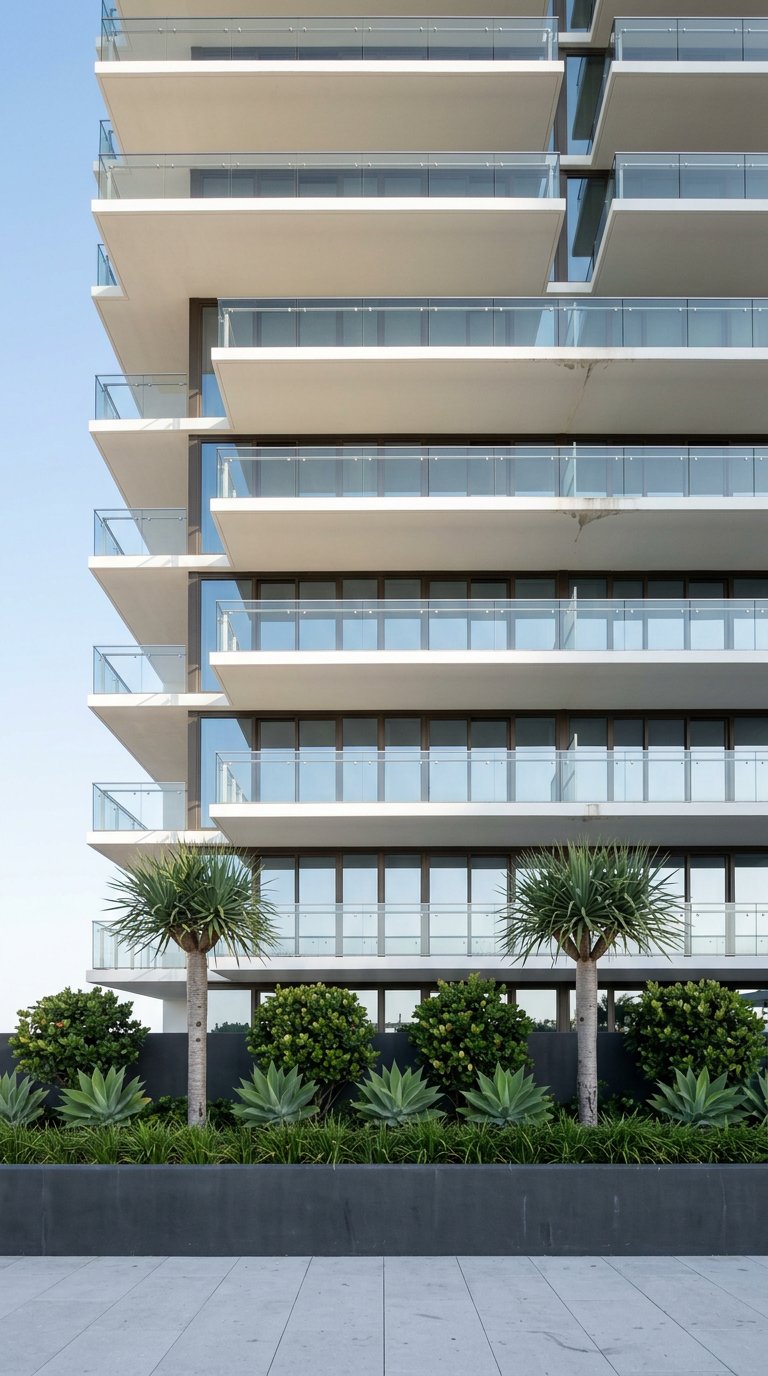
Are you watching cranes reshape the bayfront and wondering what it means for your next condo move? If you love Edgewater’s skyline and lifestyle, you’re seeing a once low-rise strip evolve into one of Miami’s highest-profile condo corridors. That shift brings more choices, new amenities, and fresh pricing dynamics. In this guide, you’ll learn how the latest towers are changing prices, rents, and timing strategies so you can buy or invest with confidence. Let’s dive in.
The new skyline: key towers to watch
Edgewater, just north of Downtown Miami along Biscayne Bay, has transformed from bungalows and mid-rises into a cluster of luxury towers. Several flagship projects define the current market:
- Paraiso Bay campus. The multi-tower complex along NE 31st Street reset amenities and pricing with 1,000-plus units and full-service programming. It remains a benchmark for the submarket. See the project overview in the entry for Paraiso Bay.
- Missoni Baia. A fashion-branded tower with a spa, tennis, and large amenity deck, Missoni illustrates how brand partnerships support premium pricing and buyer expectations. Read a project milestone at Profile Miami.
- Aria Reserve. Twin bayfront towers add a major amenity podium and hundreds of units. Early sales momentum was reported prior to groundbreaking; you can see that context in Florida YIMBY’s coverage.
- Edition Residences. A branded, purely residential Edition tower brings hotel-level services to condo living without a hotel component. For launch details, see The Real Deal’s report.
- Villa Miami. A boutique ultra-luxury tower with a culinary operator partnership shows the push toward high-touch, low-unit-count product.
- Tower 36 assemblage. One Thousand Group’s planned mixed-use or branded tower at 3601 Biscayne Boulevard signals continued developer confidence and scale in Edgewater. Catch news roundups with Hawkins CRE’s coverage.
Across these and similar projects, Edgewater’s pipeline adds roughly 2,500 to 3,000 premium, amenity-rich condo units to the bayfront over the 2015 to 2026 window. The mix spans large master-plans, branded residences, and boutique ultra-luxury buildings.
How supply shifts pricing
New towers typically launch above older resale stock because they package high-end finishes, large terraces, and expansive amenities. Buildings like Missoni Baia helped set that tone, and you should expect a stratified resale market where older towers without comparable features trade at a discount. You can use that spread to your advantage if you are open to light renovations.
Citywide, price growth has cooled from the pandemic surge, though indexes still show positive momentum in 2024 to 2025. For context, regional reporting on the Case-Shiller index highlights slower but steady appreciation as the cycle normalizes. See a recent summary in South Florida Agent Magazine.
Near a tower’s delivery window, developers sometimes offer incentives to clear remaining inventory. Past cycles in Miami show discounts and closing cost help can appear as buildings approach completion. Those incentives influence comps and may slow near-term resale appreciation nearby. For a clear example from a prior cycle at Paraiso, review The Real Deal’s coverage of incentives.
What to expect for rentals
A lot of new rental and condo supply has arrived across South Florida. When deliveries outpace immediate demand, vacancy rises and rent growth softens. Recent statewide and local reporting points to higher vacancy and moderated rents in 2024 to 2026 compared with pandemic peaks. For a market read, see this overview from FL Landlord.
If you plan to rent your unit, building rules matter as much as location. Some towers allow flexible or short-term rentals, while others limit or prohibit them. Your yield projection changes dramatically based on those documents. Pre-construction updates often highlight which projects aim for flexible rental policies; you can find examples in Condo Blackbook’s new construction roundup. Always confirm the official condo declaration and offering plan before you buy.
The amenity race and branded living
Developers are competing on lifestyle. Expect F&B partnerships, spa and wellness programs, tennis, marinas, and even rooftop or club concepts that mirror top resorts. Branded residences like Missoni and Edition import hospitality service into everyday living. That attracts a wide range of buyers, from seasonal users to investors seeking premium rents. It also creates more variation in HOA dues and operating costs. Compare dues, staffing, and service level when you shortlist buildings.
Buyer and investor checklist
Before you write an offer in Edgewater, pull a focused set of facts. Use this list to de-risk your decision:
- Developer status. Confirm presale percentage, construction loan in place, and any notices or delays. Larger assemblages and financing updates are often covered in local trade press such as Hawkins CRE.
- Offering plan and condo declaration. Check rental rules, minimum stays, in-unit management, and guest suite policies. Rental flexibility drives both returns and exit options.
- HOA budget and reserves. Review common charges, staffing, and hospitality-style payroll obligations. Branded buildings may carry higher ongoing costs.
- Amenity and operator agreements. Learn who runs on-site restaurants or clubs. Third-party operators can elevate service and add fees.
- Insurance and resilience. Study flood and wind coverage requirements, building elevation, and floodproofing details. See city work in Edgewater’s bayfront area via the Miami flood improvements page.
- View corridors and future buildouts. Ask about adjacent sites and potential obstructions. Your value case should assume realistic long-run views.
- Absorption and concessions. If you are an investor, model leasing timelines and potential rent concessions. Citywide rent growth has normalized; reference reports like FL Landlord’s overview.
- Comparable sales and fee load. Compare price per square foot and HOA dues across peer buildings with similar views and amenity tiers.
Timing strategies that work
For investors
- Chasing initial yield. Favor recently completed towers with visible lease-up momentum or projects that explicitly allow short-term or flexible rentals. Stabilized buildings reduce downtime and surprise costs. Confirm rental rules in the condo documents before you write an offer.
- Targeting appreciation. Consider branded or boutique buildings with strong presales and limited unit counts. Entry prices are higher and dues can be larger, but the long-run positioning can support value if the brand delivers on service and upkeep.
For move-up buyers
- Buying new construction. You get the latest finishes, larger amenity decks, and front-of-house services. Expect higher dues and longer closing windows near delivery. If several towers are delivering soon, consider timing your closing after a building reaches significant occupancy so the community and services are up and running.
- Buying quality resale. A well-managed, well-located resale can offer better price per square foot and proven operations. You may allocate budget for updates, but you avoid construction-stage risks and shifting developer incentives.
How to compare buildings fast
Use a side-by-side checklist when you tour:
- Lifestyle fit. Amenity mix you will actually use, such as spa, tennis, or bayfront access.
- HOA and reserves. Monthly dues, staffing level, and current reserve balance.
- Rental flexibility. Minimum stays, number of leases per year, and in-building management options.
- Brand premium. Service level and resale support from a recognized brand versus higher ongoing costs.
- Views and privacy. Orientation, potential future obstructions, and terrace depth.
- Construction status. Delivered and occupied versus pre-construction or close to TCO.
Bottom line for Edgewater Miami
New towers are reshaping Edgewater by raising the bar on amenities and service. That creates a two-track market: premium pricing for the latest product and value opportunities in older buildings that update or differentiate. If you compare dues, rental rules, and long-run view protection with the same care you give to finishes and floor plans, you can lock in the right condo at the right time.
If you want a clear, data-backed plan for buying or selling in Edgewater, reach out to Miami is Home for a tailored strategy and on-the-ground perspective.
FAQs
Will new towers lower resale values in Edgewater Miami?
- In the short term, new buildings can pressure older resales on price, especially nearby and during delivery, but upgraded or well-located older buildings often regain footing as the market stabilizes.
Are branded residences in Edgewater always the best investment?
- Not always; brands can support demand and service but also carry higher dues and entry prices, so outcomes depend on the specific building’s execution, rules, and location.
How do rental rules in Edgewater condos affect returns?
- Rental minimums, the number of leases allowed per year, and on-site management rights directly change your yield and exit options, so confirm the condo declaration before you buy.
What flood and insurance factors should Edgewater buyers review?
- Review flood zones, building elevation and floodproofing, current insurance quotes for wind and flood, and planned city resilience projects that may impact risk and costs.
Should you buy pre-construction in Edgewater now or wait?
- It depends on your risk and timing; pre-construction can offer selection and pricing in a rising cycle but adds delivery and financing risk, while delivered resales reduce uncertainty at a potentially higher price per foot.