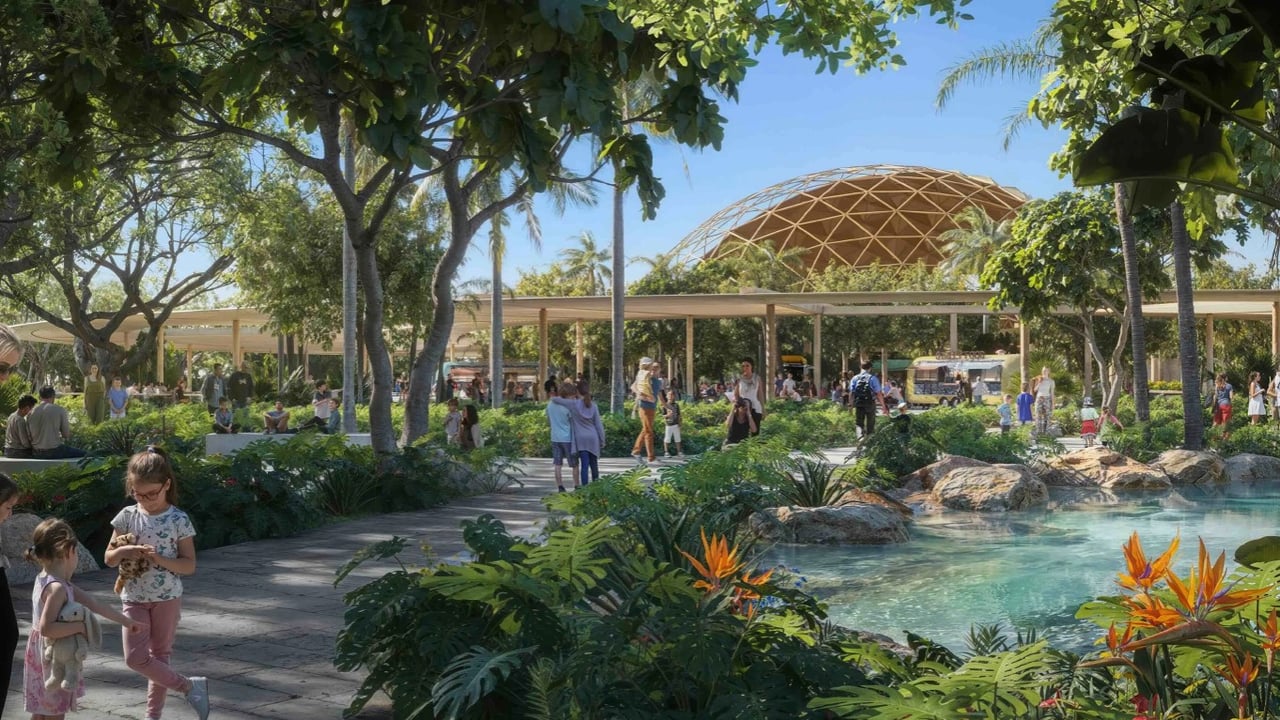
Miami’s historic Seaquarium site is entering a new chapter, as renewed redevelopment momentum transforms one of Virginia Key’s most iconic properties into a public-oriented waterfront destination centered on open shoreline access, dining, and modern marine education.
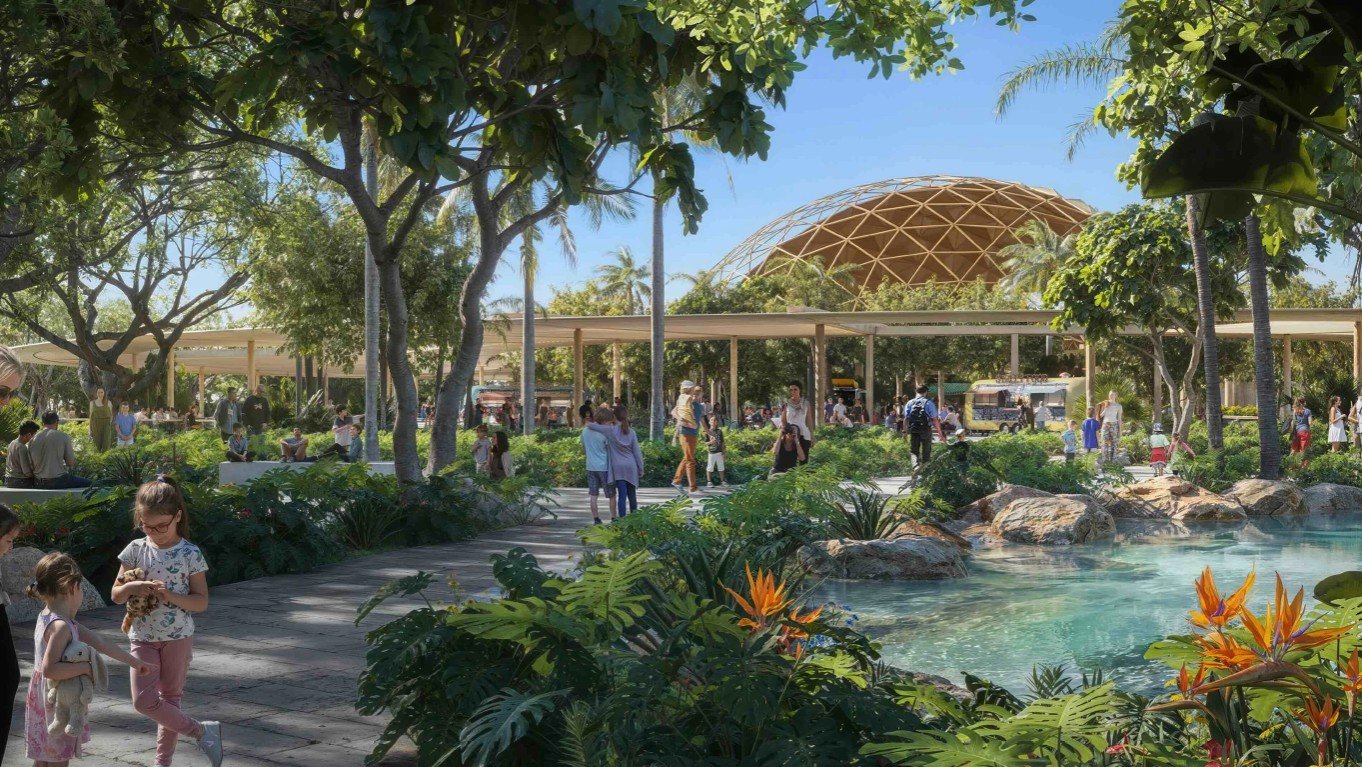
Following the Seaquarium’s closure in late 2025—ending a 70-year run defined by aging facilities, regulatory scrutiny, and long-standing animal welfare concerns—the county-owned property is now advancing through a major redevelopment process led by Terra Group and developer David Martin. Recent approvals from a federal bankruptcy court and a key Miami-Dade committee have pushed the proposal to the full County Commission, marking one of the most significant steps forward to date.
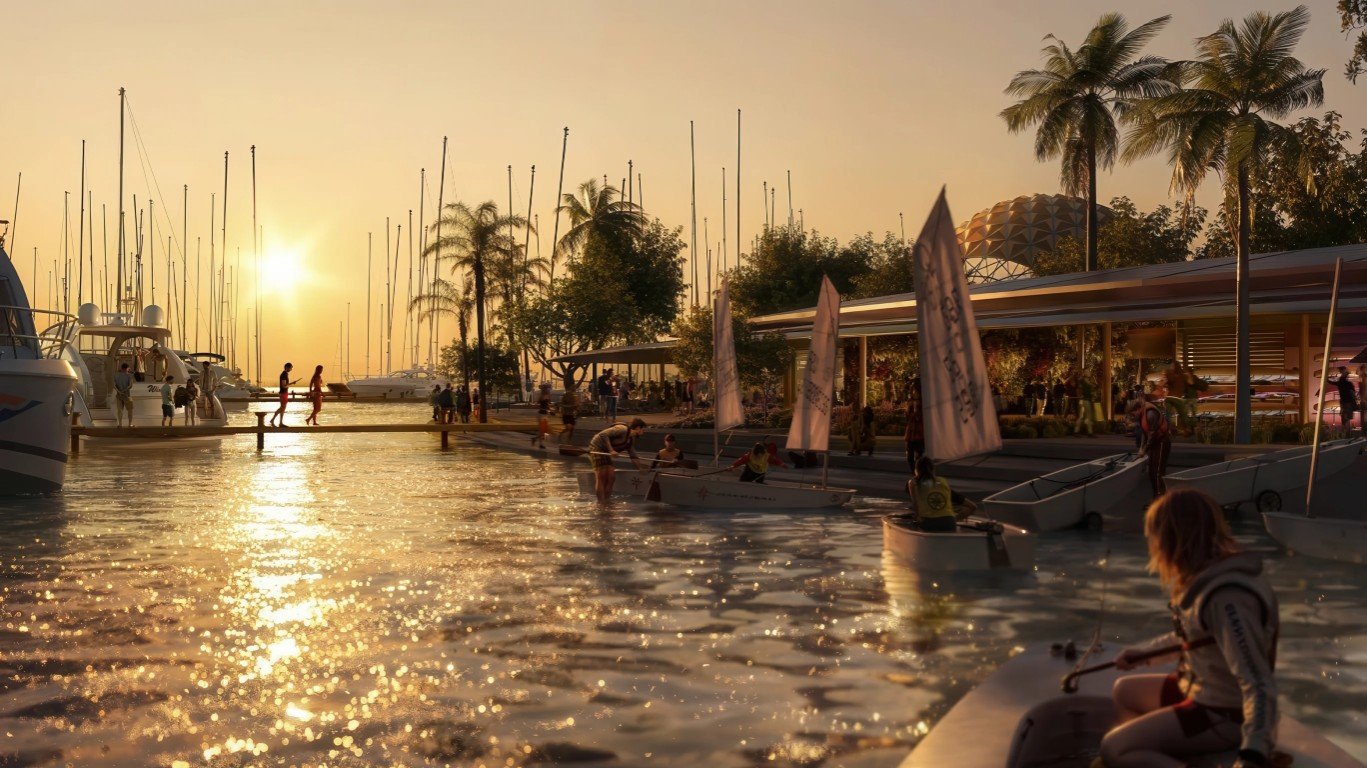
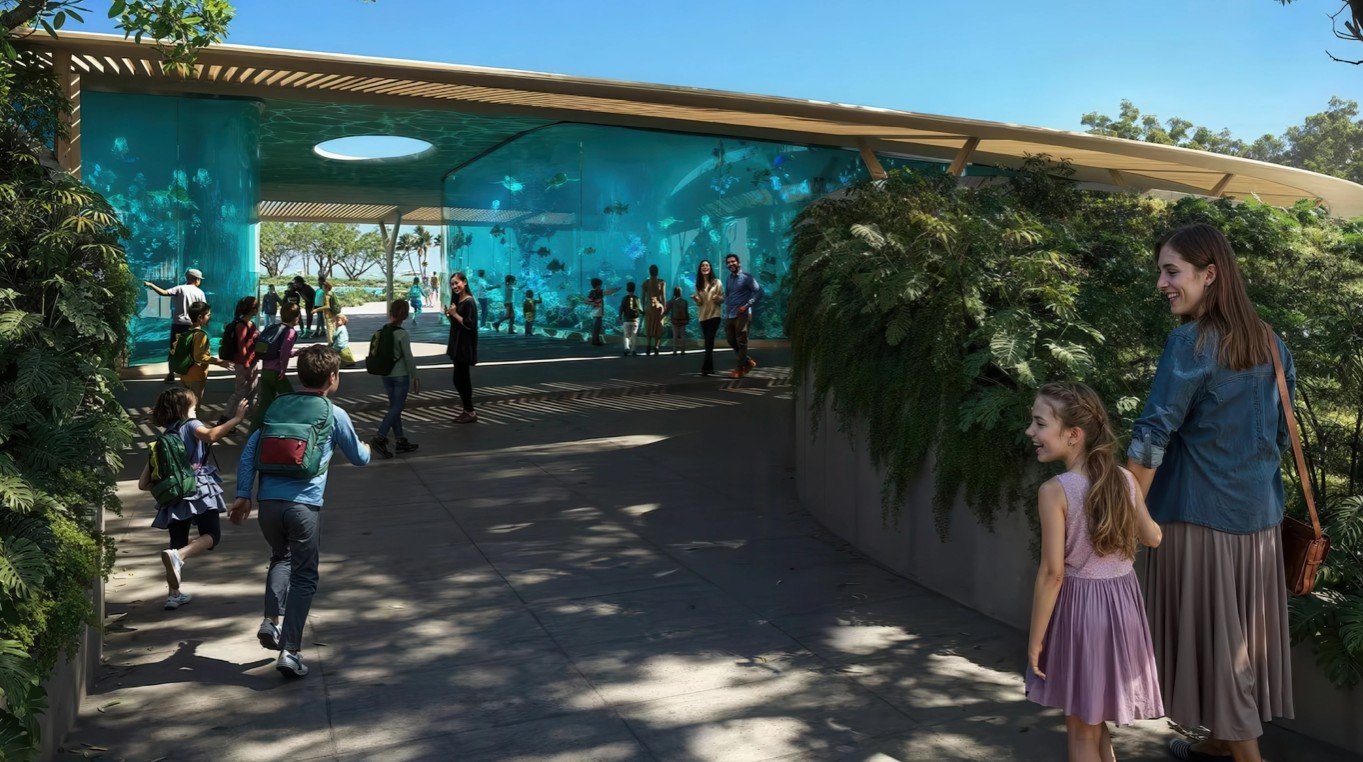
The plan envisions a $100 million transformation of the 38-acre site, replacing the former marine attraction with a marina, a sweeping baywalk, and what early renderings call “Fisherman’s Village” — a collection of restaurants, retail, and community amenities designed to open the waterfront in ways the property historically never allowed. The proposal also includes a new accredited aquarium focused on education, conservation, and research, moving away from the animal performances that once defined the Seaquarium. Under the new concept, no dolphins, orcas, or other large marine mammals would be used for entertainment, marking a major shift following decades of controversy and cases like that of the orca Lolita.
Across renderings and public filings, Terra describes a redevelopment strategy that preserves key historic elements—including the Buckminster Fuller dome—while reimagining the site around resilience, public access, and long-term stewardship of the shoreline. Because the property lies within Miami-Dade’s parks system, any redevelopment must meet public-use and sustainability requirements, limiting opportunities for private residential or hotel development and emphasizing community-serving programming instead.
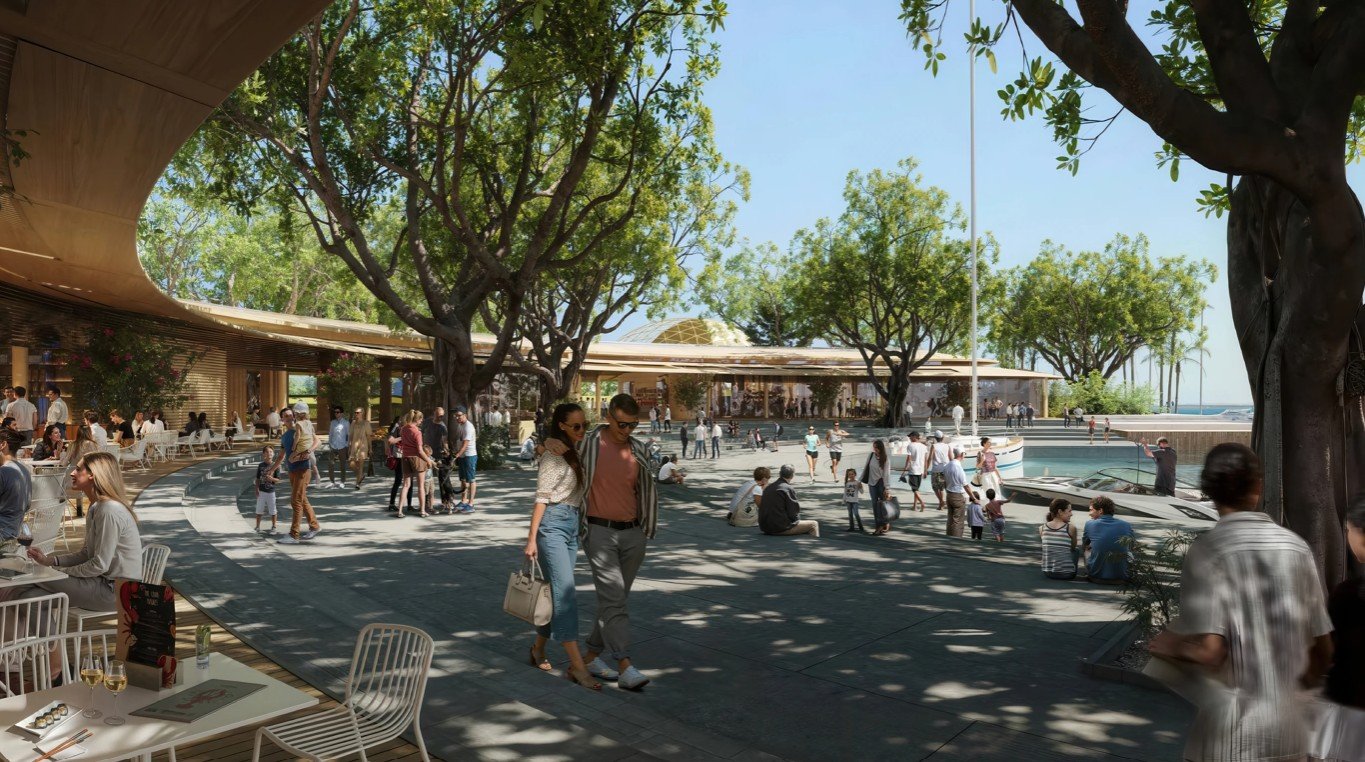
If approved by the full County Commission, the project would move into detailed design and permitting, with an anticipated opening around 2030. The scale and visibility of the redevelopment make it one of Miami-Dade’s most closely watched waterfront revitalization efforts, with significant economic impacts projected through tourism, job creation, and year-round activation. Community groups and environmental advocates are also monitoring the plan closely—particularly its approach to animal interactions, resilience initiatives, and Biscayne Bay protections.
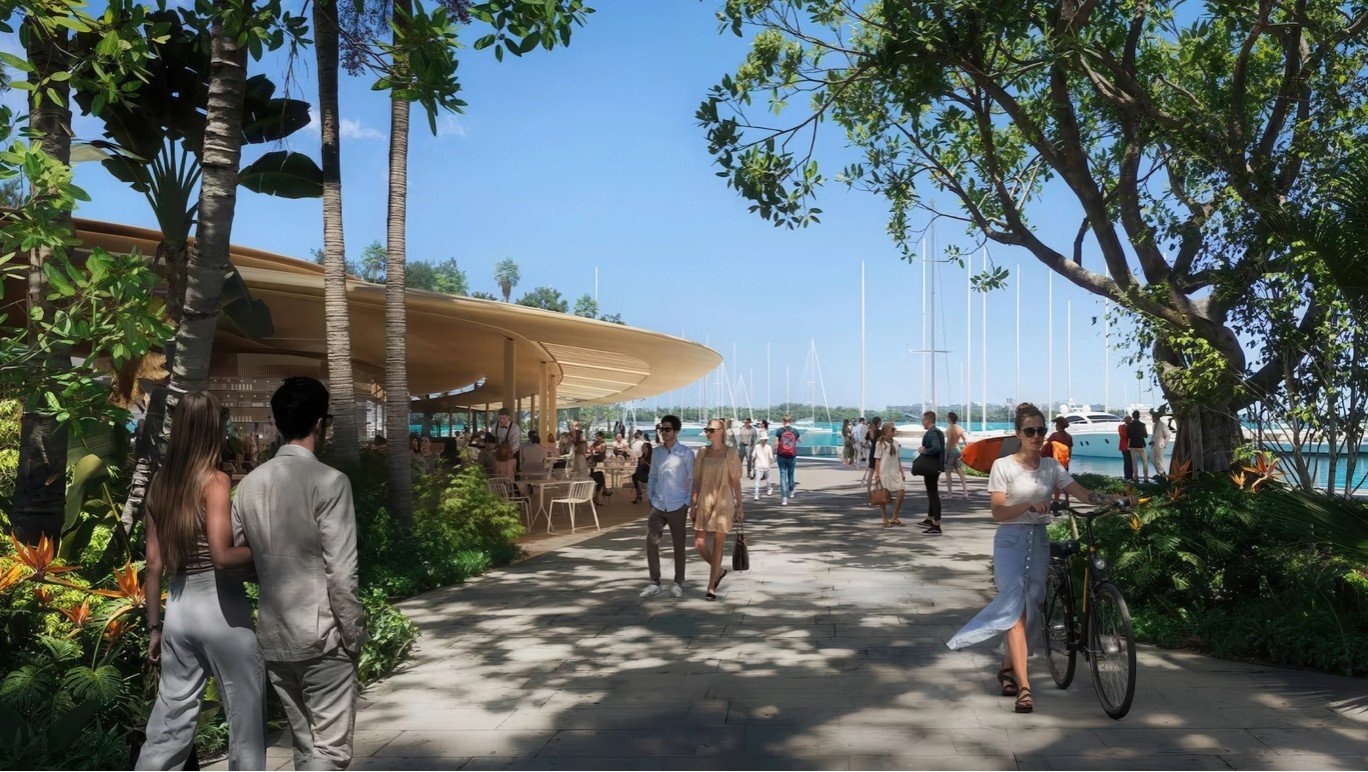
For Miami residents and visitors, the redevelopment marks both the end of one of the region’s most storied attractions and the beginning of a new publicly accessible waterfront hub. What ultimately rises on Virginia Key will help shape how Miami reimagines its coastline—balancing recreation, conservation, and cultural experiences across some of South Florida’s most valuable waterfront land.