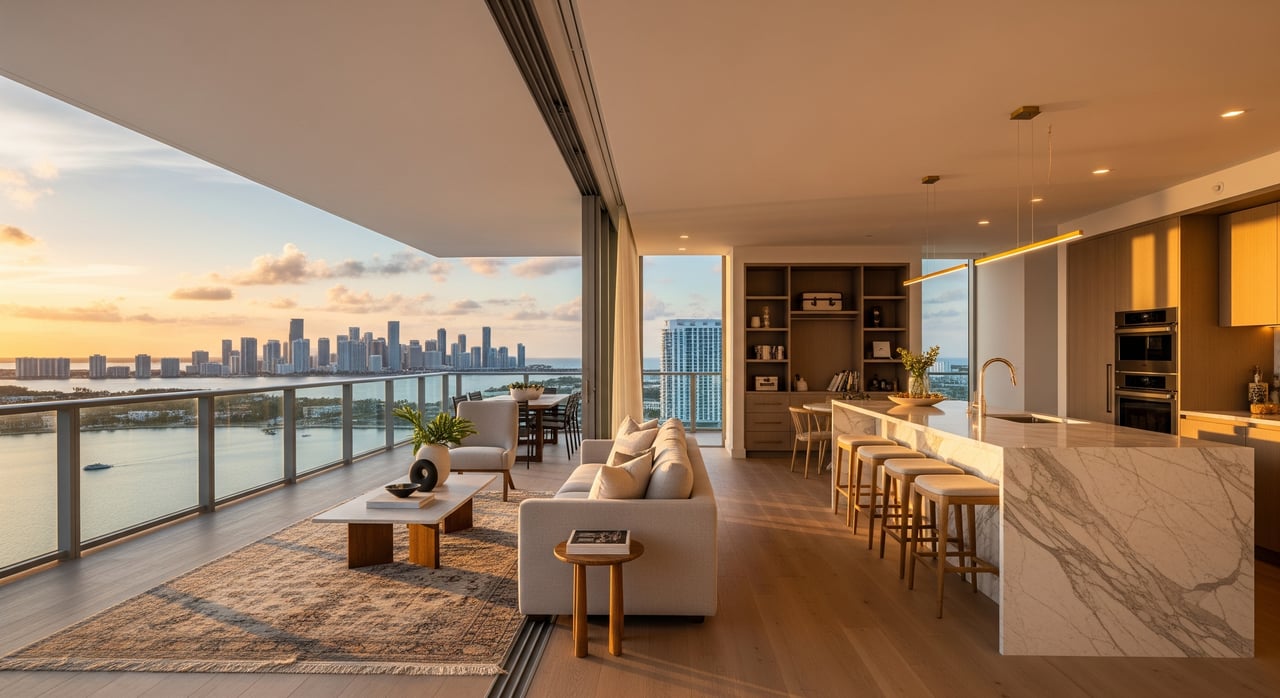
Thinking about buying a condo in Downtown Miami to run as a short-term rental? You are not alone. With year-round tourism, business travel, and event demand, the area can look appealing. This guide shows you how to pinpoint towers that actually allow short-term rentals, verify the rules, and model returns with realistic local ranges. Let’s dive in.
What makes a tower STR-friendly
Not every Downtown Miami high-rise allows short-term rentals. In many buildings, the condo association’s rules matter more than city law. You want buildings whose governing documents clearly permit short stays or offer an on-site rental program.
Two building types often surface:
- Condo-hotel or branded residences with optional or required rental programs. These usually allow nightly stays, but revenue splits can lower your net.
- Standard residential condos where the declaration and rules specify minimum lease terms and any caps. Look for policies that allow stays under 30 days if you want true short-term flexibility.
Know the rules in Miami
State framework you should know
Florida’s Condominium Act (Chapter 718) governs how associations adopt and enforce rental rules. Associations can set minimum lease terms and other restrictions within statutory limits. Expect to review notice and amendment procedures, owner rights, and enforcement language.
City and county requirements
The City of Miami and Miami-Dade County may require licensing, registration, or specific land-use permissions for short-term or vacation rentals. Policies can change, so verify current rules before you buy or operate. Also confirm tourist development and local option taxes in addition to state sales tax.
Taxes to plan for
Short-term rentals generally require you to collect and remit state sales tax plus county and municipal tourist development taxes. Budget time or management support to handle filings. If a building or manager remits on your behalf, verify the process and reporting.
Decode the condo documents
Association rules often decide your strategy. Request and review:
- Declaration, Bylaws, Rules and Regulations, and all rental policy amendments.
- The last 12–24 months of board meeting minutes to see enforcement patterns and votes.
- Any hotel or rental pool agreements if the building is a condo-hotel.
Pay close attention to:
- Minimum lease terms. A 30-day minimum blocks most nightly rentals.
- Caps and frequency. Limits on number of rentals per year or simultaneous rentals.
- Waiting periods. Owner occupancy requirements before leasing is allowed.
- Registration and local contact requirements. Guest registration and emergency contact rules.
- Platform restrictions. Rules about advertising on booking sites or using only on-site programs.
- Fine schedules and remedies. Expect real enforcement if you violate policies.
- Insurance requirements. STR-specific liability or endorsements may be required.
How to find STR‑friendly towers in Downtown Miami
Map the inventory
Define Downtown by ZIPs commonly used for the area, such as 33131, 33132, and 33130. Then pull building lists from the MLS and county property appraiser.
Spot buildings with visible STR activity
Scan short-term rental platforms for active listings in these ZIPs and note addresses. Market tools that track ADR and occupancy can help you validate where STRs are happening and how units perform by bedroom count.
Confirm building type and program
Identify whether each tower is a residential condo, a condo-hotel, or mixed-use with on-site management. Condo-hotels and branded residences are more likely to permit nightly stays, often via a rental program.
Verify with the association
Ask the manager directly: Are short-term rentals permitted? What is the minimum lease term? Are there caps or pending rule changes? Then confirm everything in the documents.
Check minutes for enforcement
Board minutes reveal if the association cracks down on short-term rentals, is revising rules, or is considering amendments that could alter your strategy.
Model the numbers with local ranges
Downtown performance varies by building, view, and season. Use conservative assumptions and verify with local data.
Revenue inputs
- Average daily rate (ADR). Expect seasonal swings and higher ADRs for waterfront views, new luxury towers, and locations near Brickell, the Metromover, and event venues.
- Occupancy (OCC). Urban STR occupancy often ranges around 50 to 75 percent annually, with weekends and event weeks pushing peaks.
- Simple revenue formula. Gross monthly revenue = ADR × occupancy rate × nights in month.
Cost inputs
- HOA dues. For many amenity-rich towers, 1-bedroom dues often range roughly from $700 to over $1,800 per month. Larger or luxury units can be higher.
- Management fees. Full-service STR managers commonly charge 20 to 35 percent of rental revenue.
- Platform fees. Expect host and processing fees that reduce your gross.
- Cleaning and turnover. Typical per-stay costs range from about $75 to $200, higher with more frequent turnover or larger units.
- Utilities and supplies. Electricity, internet, and consumables add up; some buildings include water and garbage.
- Taxes. Budget for state sales tax and local tourist development taxes, plus income tax on net earnings.
- Insurance and reserves. STR-friendly coverage can cost more; set aside funds for maintenance and possible special assessments.
Profit checklist
- Net operating income = Gross revenue − platform fees − management fees − cleaning − utilities − HOA − taxes − insurance − reserves.
- Sensitivities: ADR and occupancy drive most of the swing in returns. HOA dues and management fees are the next big levers.
- Always run a downside case with lower ADR and occupancy to stress test your deal.
Operating models that work here
- Condo-hotel or branded residence. On-site rental programs simplify bookings and guest services. Expect lower owner net after the operator’s split and program fees.
- Professional STR management. Full-service managers handle pricing, guest support, and cleanings for 20 to 35 percent. Many can assist with tax remittance.
- Co-host or hybrid. Lower fees if you handle parts of the operation, such as on-call support or maintenance.
- Self-management. Lowest fees but highest time commitment. You will need 24/7 responsiveness and reliable housekeeping.
Operational factors in condos:
- Access control and security systems that affect guest check-in.
- Parking rules and guest permits.
- Amenity usage and liability policies for guests.
- Local contact requirements or minimum owner occupancy in some buildings.
Investor due diligence checklist
- Identify building and unit specifics: address, unit, HOA contact, and manager.
- Obtain documents: Declaration, Bylaws, Rules and Regulations, rental policy, amendments, 12–24 months of minutes, financials, and insurance certificates.
- Confirm rental policy details: minimum lease term, caps, registration, and fines.
- Verify enforcement and culture: ask how often rules are enforced and if changes are pending.
- Check building type: condo vs. condo-hotel and whether an operator runs a rental pool.
- Get fee and tax numbers: HOA dues, guest parking, registration fees, and current transient tax rates.
- Validate performance: pull ADR and occupancy for comparable Downtown units.
- Confirm insurance and lending: ensure insurability and financing for STR use.
- Estimate operating costs: management, housekeeping, laundry, and utilities.
- Legal review before you contract: have a Florida condo-law attorney vet all documents.
Downtown micro-location factors
Within Downtown, demand clusters around walkability, venues, and transit. Properties near Brickell, the Metromover, waterfront views, and major event spaces often command higher ADRs. Seasonality matters, so price for peak weeks and prepare for off-peak months. Amenities, parking, and access ease can influence occupancy and reviews.
Your next step in Downtown Miami
If you want a building-by-building map of STR-friendly options, the right first move is document-driven verification. We can compile a shortlist, obtain and review the rules, confirm fees and taxes, and build a pro forma with conservative ADR and occupancy. If a condo-hotel fits your goals, we will walk you through operator terms and true owner net.
Ready to evaluate towers with confidence? Reach out to schedule a strategy call with Miami is Home. We will help you target the right buildings, validate the numbers, and move from research to results.
FAQs
Are short-term rentals legal in Downtown Miami condos?
- It depends on both local regulations and the condo association’s governing documents, so you must verify city and county rules and the building’s rental policy before buying.
Which Downtown Miami towers allow nightly rentals for Airbnb-style stays?
- Policies vary by building; look for condo-hotels or towers whose documents permit rentals under 30 days and confirm details with the association and recent amendments.
What HOA dues should I expect for STR-friendly condos in Downtown Miami?
- Dues for many 1-bedroom units in amenity-rich towers often range roughly from $700 to over $1,800 per month, with larger or luxury units costing more.
How do taxes work for short-term rentals in Miami-Dade County?
- Plan to collect and remit state sales tax plus local tourist development and other applicable local option taxes, in addition to income tax on your net.
Is a condo-hotel better than a standard condo for STRs in Downtown Miami?
- Condo-hotels can simplify operations via on-site programs, but revenue splits and program fees reduce owner net; standard condos can net more if rules permit and you manage well.
Can a condo board change rental rules after I purchase a unit?
- Yes, associations can amend documents subject to Chapter 718 procedures and vote thresholds, so you should review amendment rules and monitor pending proposals in minutes.